Experience traveling to Hoa Lu ancient capital - Ninh Binh
1. Where is Hoa Lu ancient capital?
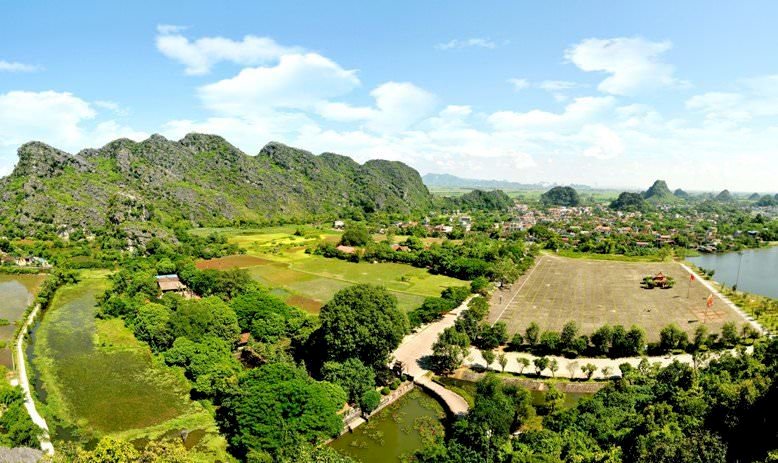
Hoa Lu ancient capital is located in the area between Hoa Lu district, Gia Vien district and Ninh Binh city, Ninh Binh province. Before becoming the capital, this place was just an ancient alluvial land, with people residing at the foot of the mountain. Hoa Lu was the first capital of the centralized feudal state in Vietnam, existed for 42 years. It was associated with the cause of the three dynasties Dinh, Tien Le, and Ly, in which there were 12 years of Dinh dynasty. (968 - 980), the Early Le Dynasty with 29 years (980 - 1009) and finally the Ly Dynasty (1009 - 1010). Through more than 1,000 years of history with many ups and downs, Hoa Lu ancient capital has become a testament to the millennial history of Vietnam. Hoa Lu ancient capital today still retains many traces of the city walls and palace vestiges.
'
'
2. Some details about Hoa Lu ancient capital
Currently, Hoa Lu ancient capital has become a special national relic complex of Vietnam and is also one of the four core areas of the Trang An world heritage complex. Hoa Lu ancient capital historical relic area now covers an area of 13.87km2, belongs to Ninh Binh province, including:
- Special protection zone (3km2): inside Hoa Lu citadel, with the temple of King Dinh Tien Hoang, King Le Dai Hanh, etc., a part of Trang An ecological area and sections of the wall and palace ground below.
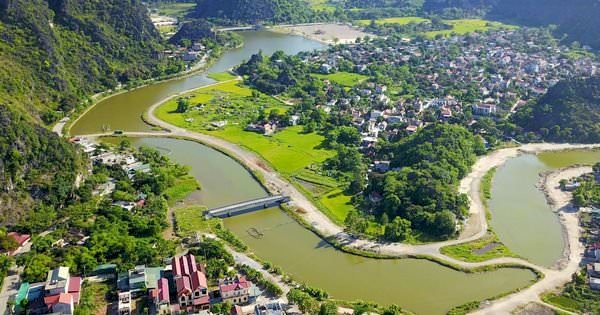
- Buffer zone (10.87km2): including landscape on both sides of Sao Khe river (the river connecting Hoang Long and Van rivers in Hoa Lu district - Ninh Binh, flowing through Hoa Lu ancient capital) and Trang An population.
- Directly related relics: including relics that are not in the above two regions but also played an important role in the cause of Dinh Dynasty such as Bai Dinh pagoda, East Gate, South Gate, Hoa Lu cave, temples of Dinh Bo Linh.
'
'
3. How to go to Hoa Lu
Hoa Lu is about 15km away from Ninh Binh city center, you can choose to travel by private vehicle or public transport to Ninh Binh, then rent a motorbike to continue the sightseeing journey.
-
From Hanoi to Ninh Binh
- By bus: You can catch the bus at Giap Bat and My Dinh bus stations and get off at Ninh Binh bus station. The ticket price is about 70,000 - 150,000 VND/pax/way, about 1 hour and 30 minutes traveling.
- By motorbike: follow the old National Highway 1A through Ha Nam and go in the direction of Ninh Binh - Thanh Hoa.
- By train: Train fare to Hanoi - Ninh Binh is about 90,000 - 200,000 VND/pax/way depending on the train and the type of seat you choose.
-
From Ninh Binh city to Hoa Lu
From Ninh Binh city to Hoa Lu is about 15km, you can rent a taxi or motorbike taxi. Or you can also rent a motorbike to visit other places in Ninh Binh such as Trang An, Bai Dinh...
'
'
4. Where to visit when coming to Hoa Lu
Temple ruins
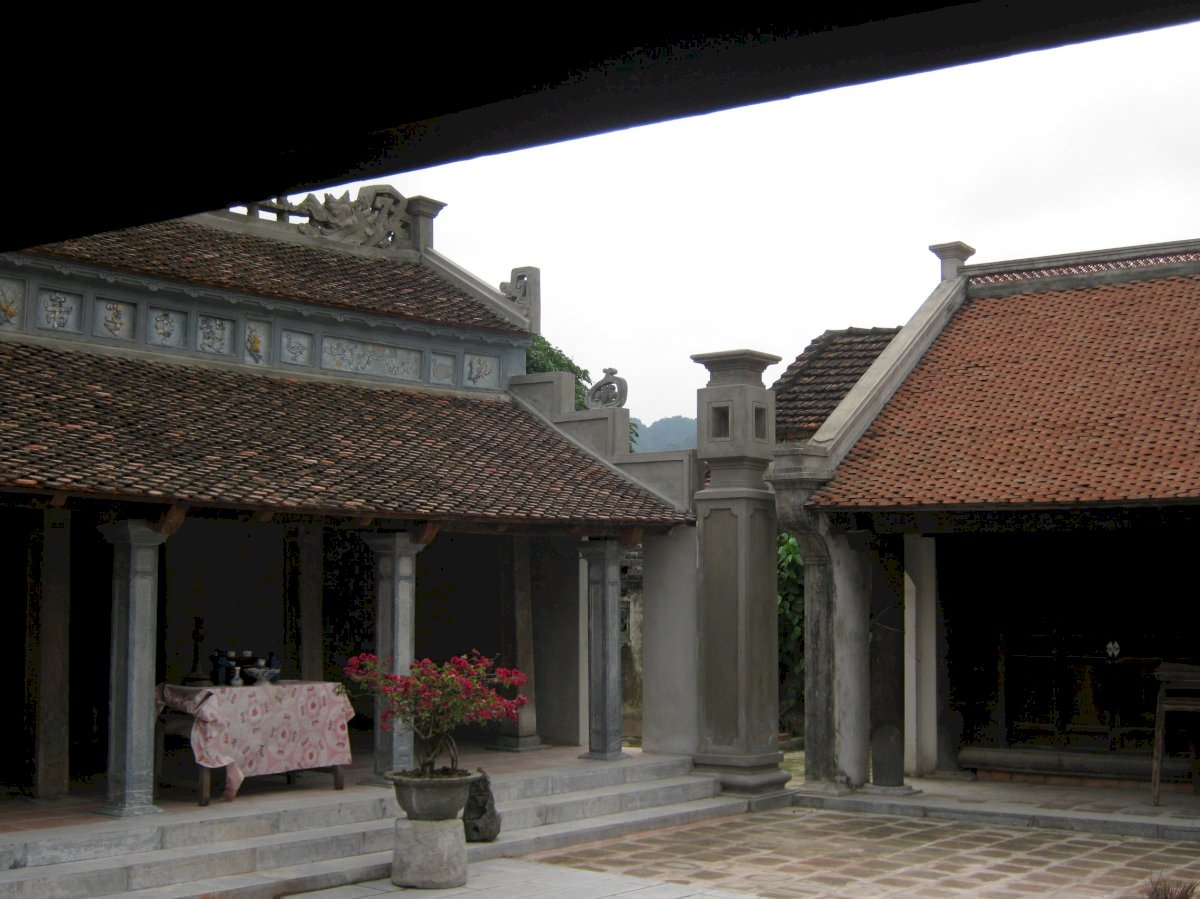
Experiencing more than 1,000 years of history, but some important relics in Hoa Lu ancient capital are still preserved until now, prominent and impressive are the temple of King Dinh Tien Hoang and the temple of King Le Dai Hanh. The two temples were built during the Ly Dynasty and rebuilt under the Later Le dynasty in the style of foreign affairs (that is, the internal architecture has the shape of the word Cong (工), the outside has the shape of the word Quoc (国). ... The layout of the pagoda is in the form of the word Cong (工) inside, while the outside is surrounded by a frame like the word Khau (口) or Quoc (国)), simulating the architecture of the ancient capital.
'
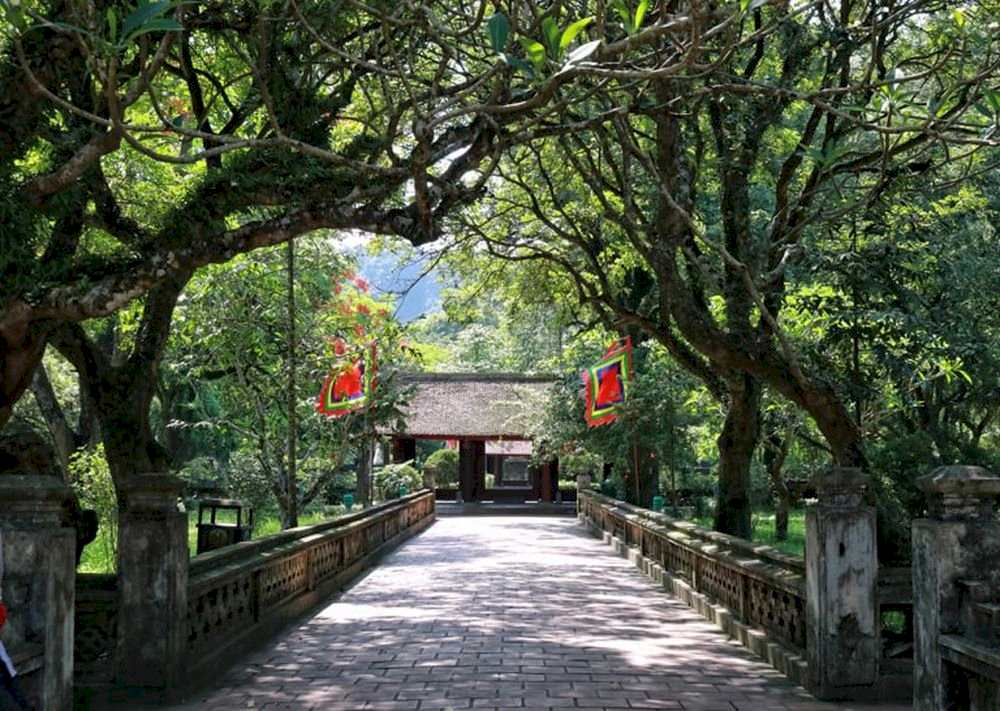
Temple of King Dinh Tien Hoang is located in Truong Yen commune, Hoa Lu, Ninh Binh, formerly in the center of the East of Hoa Lu citadel. In front of the temple is Ma Yen mountain, on the mountain is the tomb of King Dinh. Temple of King Dinh Tien Hoang is a unique architectural work in Vietnam in the 17th century, with many precious antiques preserved such as a pair of adoring elephants, a pair of stone beds...
'
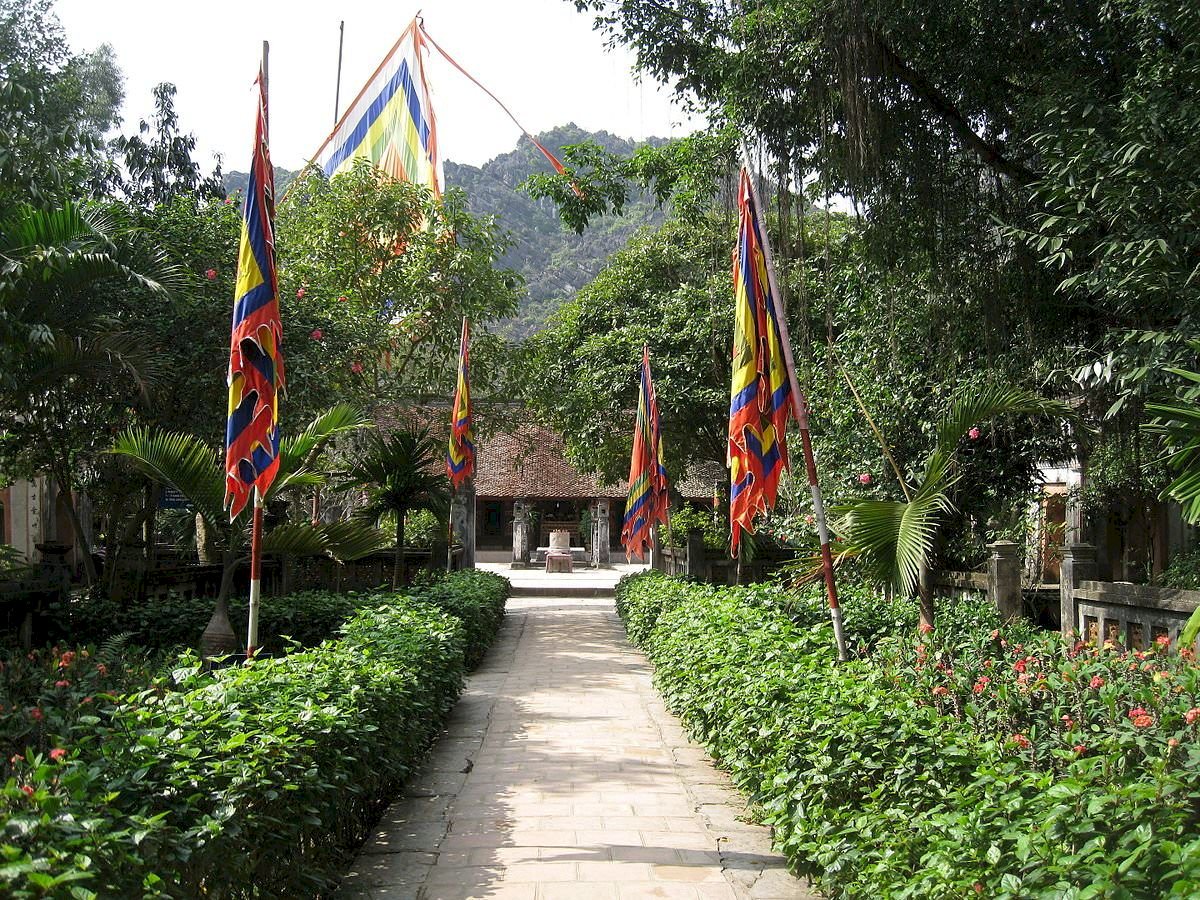
The temple of King Le Dai Hanh is located about 300m away from the temple of King Dinh Tien Hoang, the scale is smaller, so the temple gives a feeling of closeness. In front of the temple is the central square of Hoa Lu ancient capital, behind the temple is a moat protecting the ancient capital running at the foot of Dia mountain. The temple of King Le Dai Hanh uses the wood carving art of the 17th century to a level of sophistication and virtuosity.
'
Temple of Princess Phat Kim (daughter of King Dinh Tien Hoang) is located next to the temple of King Le Dai Hanh and Nhat Tru Pagoda. The temple was established to honor a woman of the 10th century, who was gentle and endured many storms.
'
Ancient temples
After becoming the capital, Hoa Lu also gradually became the center of Buddhism. Starting from the 10th century in Hoa Lu, there were many pagodas and towers. King Dinh Tien Hoang was the first to appoint a Buddhist monk and the first national teacher of Vietnam was Khuong Viet. A special thing about Hoa Lu ancient pagoda system is that many temples were built in limestone caves, based on rocky mountains such as Bai Dinh, Bich Dong, Hoa Son..
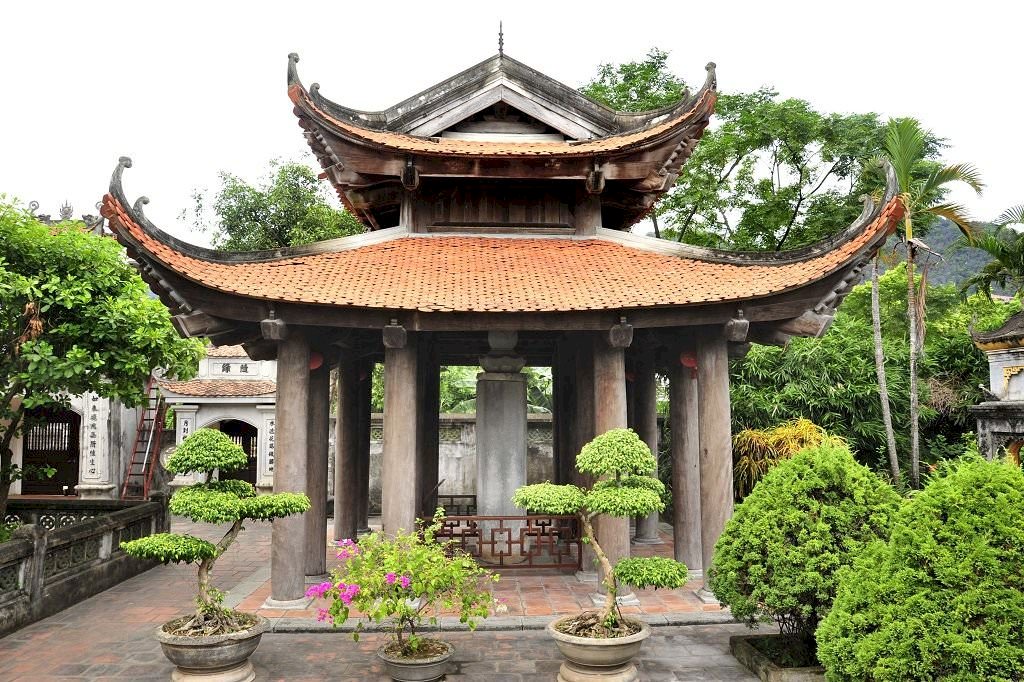
Nhat Tru Pagoda, also known as One Pillar Pagoda, is the oldest pagoda in Vietnam, built during the reign of King Le Dai Hanh. The pagoda is located next to Yen Thanh communal house, very close to the temple of Princess Phat Kim and the temple of King Le Dai Hanh.
The pagoda is named Nhat Tru because in front of the pagoda there is a stone pillar over 3m high, with an octagonal cross-section. Nhat Tru Pagoda along with Am Tien Pagoda, Kim Ngan Pagoda, Am Ancient Pagoda, Duyen Ninh Pagoda are ancient temples of the Dinh - Le dynasties located in the campus of Hoa Lu citadel. Among them, Nhat Tru Pagoda is located in the central position and is the most important relic. The pagoda is the place of practice and meeting of the 10th-century monks such as Phap Thuan, Khuong Viet and Van Hanh.
'
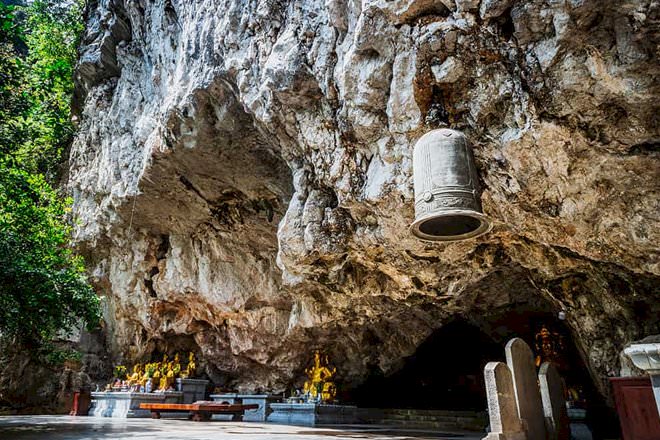
Am Tien cave pagoda is located in Truong Yen commune, Hoa Lu district, Ninh Binh, about 400m from King Dinh temple in the direction of Trang An. Am Tien cave pagoda is the place where King Dinh Tien Hoang raised tigers and leopards to punish those who committed serious crimes. During the Ly Dynasty, monk Nguyen Minh Khong stayed in the temple to chant sutras and preach the Dharma and built a pedestal to worship Buddha inside. Later, the new people opened the temple scene so that guests could come for a pilgrimage.
'
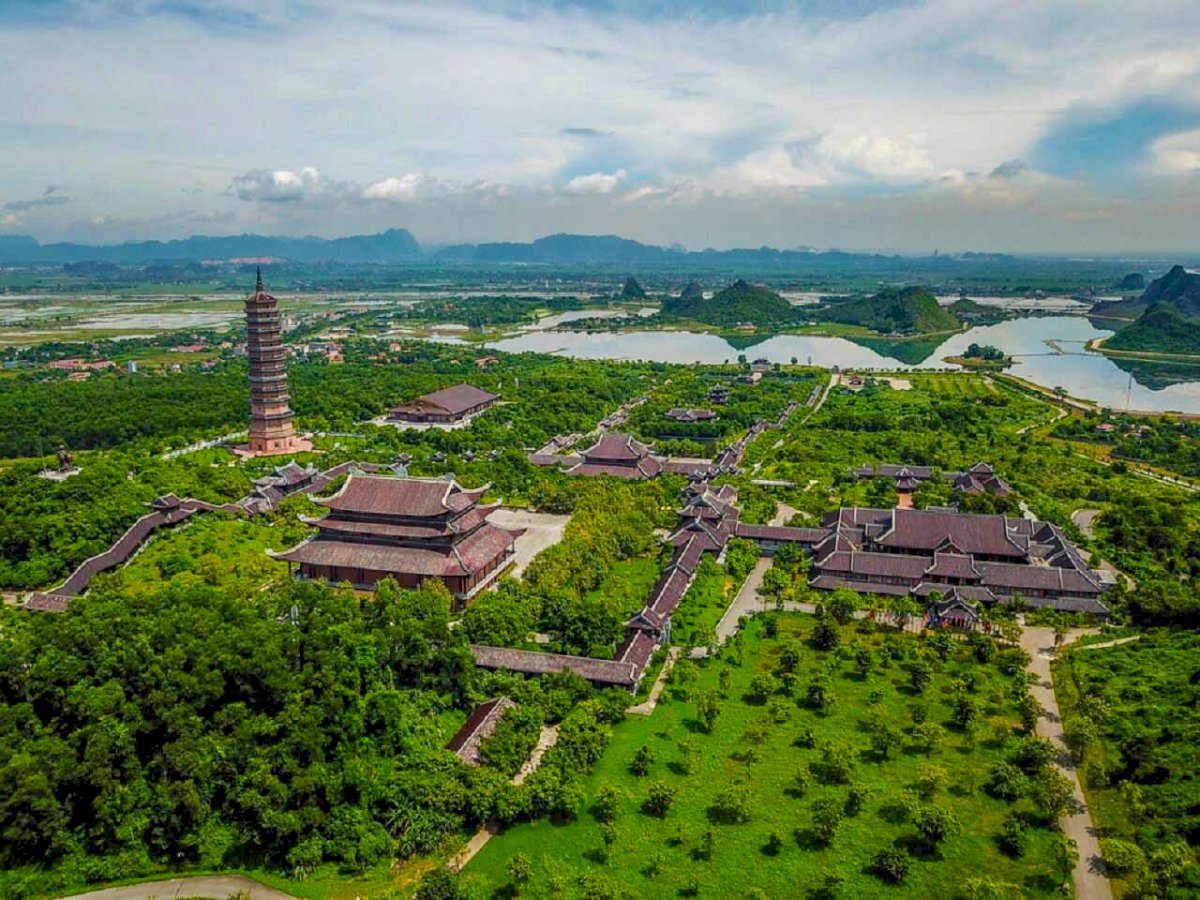
Bai Dinh Pagoda includes a system of ancient pagodas, a new temple area built in 2003, the temple of Saint Nguyen (the leading monk in the Buddhist organization of the Ly dynasty in history), the morning cave worshiping Buddha, dark cave worshiping God and Cao Son god temple. Bai Dinh pagoda complex is a large complex with many Asian records such as the largest gold-plated bronze Buddha in Asia, the longest Arhat corridor in Asia, etc. Bai Dinh Pagoda is located in the land of many convergences talent, currently located in the north of the world heritage complex Trang An.
'
'
5. When should you visit Hoa Lu ancient capital?
Almost any time of the year is favorable for a visit to the ancient capital of Hoa Lu, but if you want to have special events, you can consider some times as follows:
Spring around March - April - May (solar calendar) is the most beautiful season and there are many festivals held.
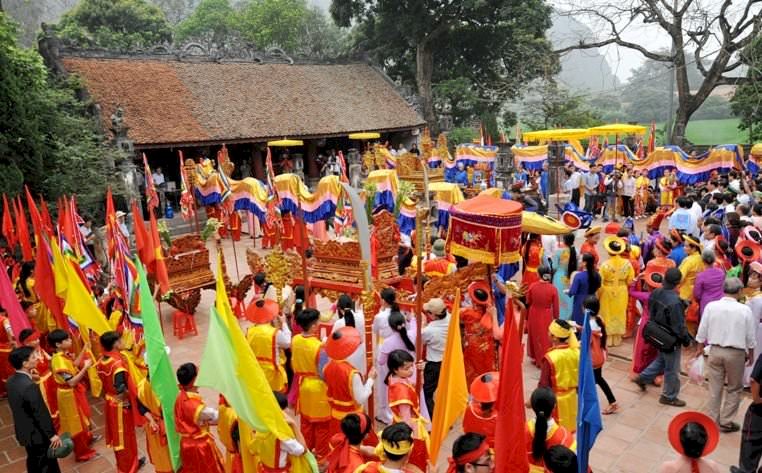
On the 8th - 10th of the third lunar month (about April of the solar calendar) every year is the time when the traditional festival of Hoa Lu ancient capital (Truong Yen festival or Co Lau festival) takes place.
May-June is the time when the rice is ripe in Ninh Binh, at this time you can combine visiting the ancient capital of Hoa Lu and going to other places such as Tam Coc - Bich Dong to see the golden rice fields.
'
'
Source: Collected


